
April 10, 2026
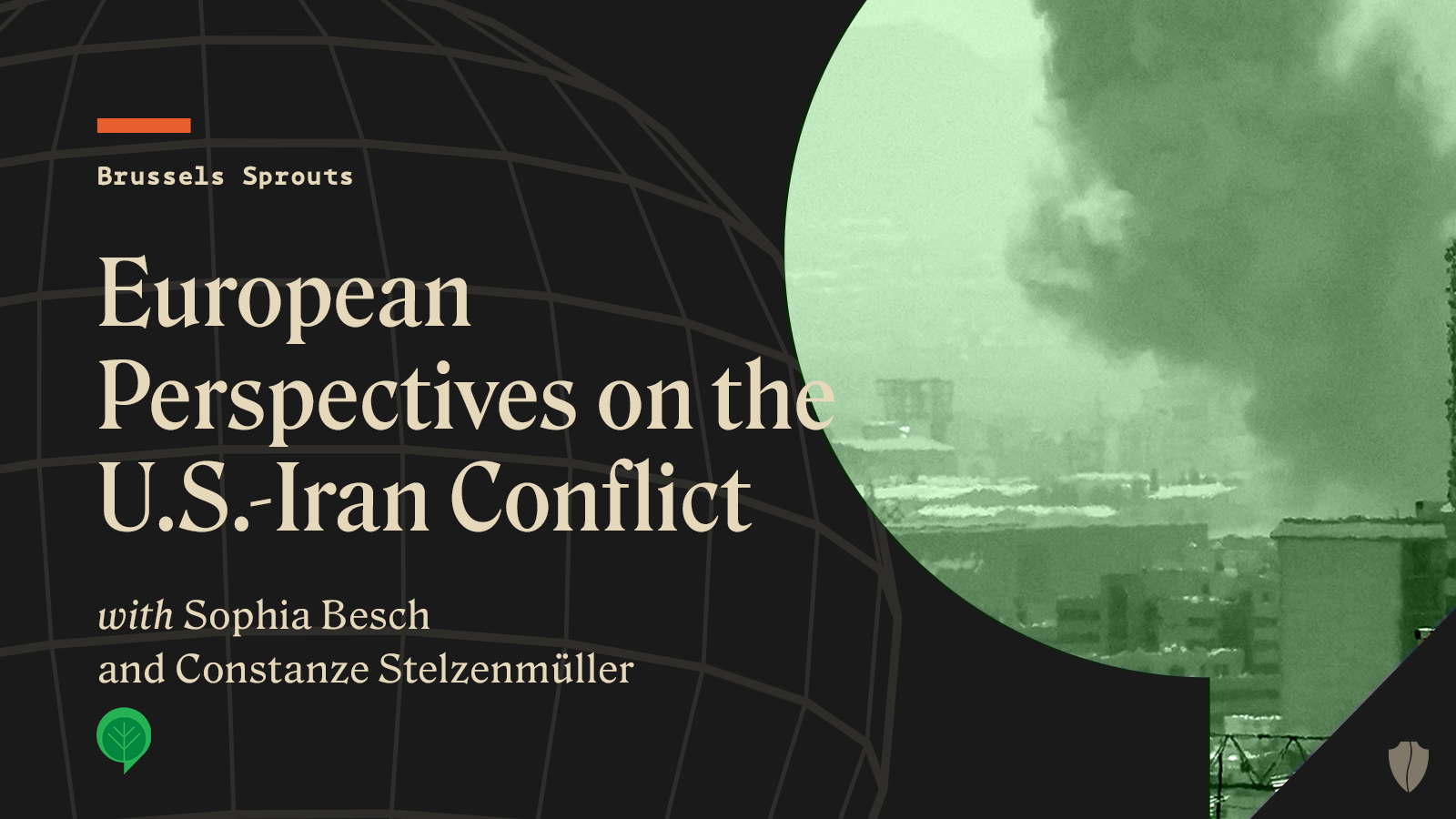
European Perspectives on the U.S.-Iran Conflict
On April 7, after more than five weeks of the U.S.-Israeli war with Iran, U.S. President Donald Trump announced a 14-day ceasefire, provided Iran allows passage through the Strait of Hormuz. The following day, the leaders of seven European states—plus Canada, the European Commission, and the European Council—released a joint statement welcoming the ceasefire, encouraging a negotiated settlement, and announcing that their governments “will contribute to ensuring freedom of navigation in the Strait of Hormuz.”
The group included the United Kingdom (UK), France, Germany, and Spain, which has especially angered President Trump for its opposition to the war. Leaders from each of these countries and the European Union have also called for the ceasefire to include Lebanon, which the United States and Israel say was not part of the agreement. On a planned visit to the Gulf, UK Prime Minister Keir Starmer emphasized the importance of opening the Strait of Hormuz, saying it is the “job” of leaders to do so. France’s top military commander said that the French government was considering “strictly defensive” military options to assist.
That same day, Trump met with NATO Secretary General Mark Rutte in Washington as part of a long-scheduled visit. Trump reportedly used the meeting to vent his frustration with NATO allies over their refusal to back the U.S. war with Iran, signaling that he was considering reprisal. Trump, who has repeatedly threatened to pull the United States out of the alliance, berated NATO allies online following the meeting and alluded to his previous threats to annex Greenland—which precipitated the last major crisis in the transatlantic relationship before the war with Iran.
To make sense of these developments, Brussels Sprouts is happy to welcome back Constanze Stelzenmüller and Sophia Besch to this week’s edition of the podcast.
Sophia Besch is a senior fellow with the Europe Program at the Carnegie Endowment for International Peace.
Constanze Stelzenmüller is the director of the Center on the United States and Europe at the Brookings Institution.
The episode was recorded on April 10, 2026.
More from CNAS
-
Rising Domestic Pressure in Russia?
 Podcast
Over the last several weeks, strain within Russia's domestic political system has become increasingly apparent. The Kremlin has intensified digital controls, intermittently di...
By Andrea Kendall-Taylor & Jim Townsend
-
Charles on a Mission: Can King’s State Visit Salvage U.S.-UK Ties?
Video
Call it the royal trump card: King Charles III has been dispatched to Washington on a state visit at the lowest point in the "special relationship" in at least seven decades. ...
By Jim Townsend
-
Transatlantic Adaptation: A More European NATO?
Podcast
Doubts about U.S. reliability and the future of NATO are top of mind for most in the transatlantic community. The concerns that spiked after President Donald Trump’s threats t...
By Andrea Kendall-Taylor & Jim Townsend
-
U.S. Security Analysts Expect ‘More Europe and Less U.S. in NATO’
Video
The Pentagon's top policy advisor has listed several possible ways the US could punish its NATO partners for refusing to join President Trump's war in Iran. Washington is repo...
By Jim Townsend


