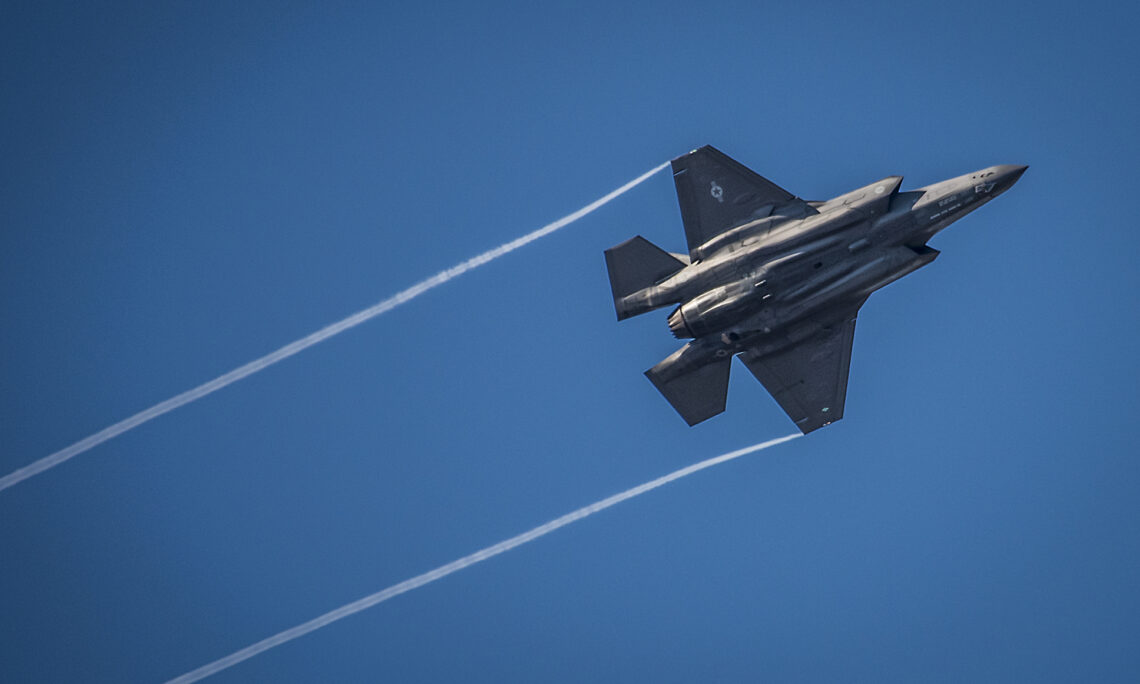
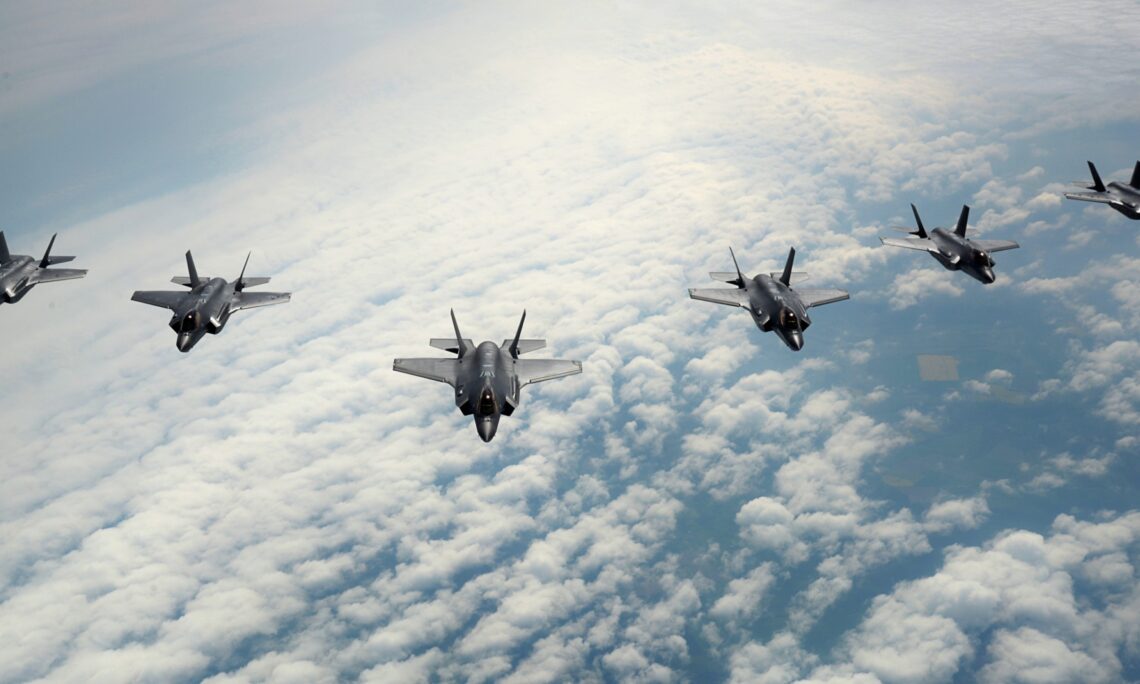
The United States struggles to develop, produce, and field new capabilities quickly and at scale. This problem has several causes, most notably weaknesses in the defense industrial base and the Department of Defense’s sclerotic requirements, budgeting, and acquisition processes. Despite a decade of reform efforts, the way that the Department of Defense acquires its new capabilities has not improved as hoped. The Defense Program’s research focuses on better aligning resources to defense strategy, and on building and fielding a force capable of deterring threats over time.

The New American Defense Industrial Base
The U.S. defense industrial base (DIB) has seen significant change over the course of the past decade, with new entrants and forms of financing changing how the Department of ...
Read MoreResearch Team
-
Dr. Stacie Pettyjohn
Senior Fellow and Director, Defense Program, CNAS
-
Susanna V. Blume
Distinguished Senior Fellow, Defense Program
-
Carlton Haelig
Fellow, Defense Program
-
Philip Sheers
Associate Fellow, Defense Program and Co-Lead, Gaming Lab
-
Molly Campbell
Research Assistant, Defense Program
-
Kalena Blake
Research Assistant, Defense Program
-
Romy Koo
Former Intern, Defense Program


Highlights
-
Stuck in the Cul-de-Sac
 Reports
For more than a decade, the United States has sought to modernize its military to deter China, but it has become stuck in a developmental cul-de-sac that has allowed China to ...
By Carlton Haelig & Philip Sheers
-
From Production Lines to Front Lines
 Reports
Executive Summary The U.S. defense industrial base (DIB) is struggling to meet the demands of the current strategic environment—let alone prepare for a potential conflict agai...
By Becca Wasser & Philip Sheers
-
Fireside Chat with Assistant Secretary of War Michael Cadenazzi on U.S. Munitions Production
 Events
By Becca Wasser